New Delhi, August 20, 2024 – In a scathing rebuke, the Supreme Court of India has criticized the West Bengal government for its handling of the investigation into the rape and murder of a trainee doctor at RG Kar Medical College and Hospital in Kolkata. Chief Justice of India (CJI) D.Y. Chandrachud, leading a bench, expressed deep concern over the case’s management, questioning the delay in filing an FIR, the conduct of the hospital’s principal, and the overall security measures at the hospital.
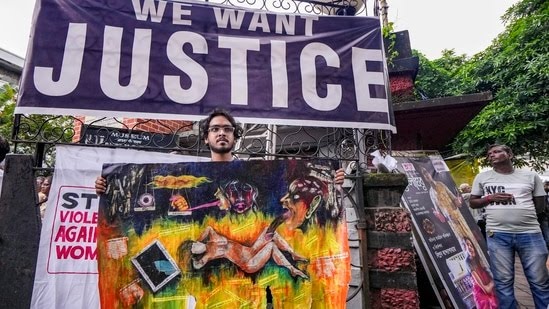
The Supreme Court’s intervention came after widespread public outrage and protests by medical professionals across the country, demanding justice for the murdered doctor. The case has not only spotlighted the safety of medical professionals, particularly women, but also raised questions about law enforcement and governance in West Bengal.**
Key Points from the Hearing:
Delay in FIR – The CJI questioned why there was a delay in registering the First Information Report (FIR), a critical step in any criminal investigation. The court was particularly disturbed by the initial attempt to misrepresent the crime as a suicide.
Principal’s Conduct: The court criticized the West Bengal government for reappointing the principal of RG Kar Medical College, whose conduct was under scrutiny, to another position. This move was seen as a lack of accountability.
Security and Mob Violence: The Supreme Court was appalled by the mob violence at the hospital, where protesters vandalized the premises. The court noted the failure of the state police in maintaining law and order, especially when the mob threatened female doctors with similar fates.
National Task Force: In response to the incident, the Supreme Court has set up a ‘National Task Force’ to suggest measures for doctors’ safety, indicating a broader initiative to address workplace safety for medical professionals nationwide.
CISF Deployment: The court directed the deployment of the Central Industrial Security Force (CISF) at RG Kar Hospital to ensure security, highlighting the state’s inability to protect its medical staff.
Media Coverage: The CJI also expressed concern over the media’s handling of the victim’s identity and graphic details, emphasizing the need to respect the dignity of the deceased.
The Supreme Court’s actions and comments reflect a broader national concern over the safety of healthcare workers, especially in light of increasing incidents of violence against them. The establishment of the National Task Force and the direct intervention in security arrangements underscore the judiciary’s commitment to not only seek justice in this particular case but also to prevent future occurrences by setting national protocols for safety.
This case has become a focal point for discussions on law enforcement, governance, and the rights of medical professionals, with the Supreme Court’s involvement signaling a significant step towards systemic change in how such incidents are handled in India.