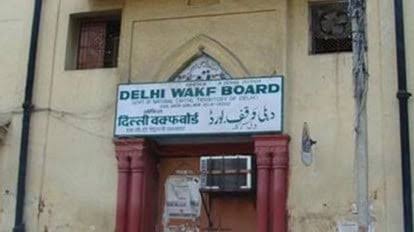
September 9, 2024 New Delhi – The Waqf Amendment Bill 2024, introduced in the Lok Sabha on August 8, 2024, has ignited a firestorm of debate across India, polarizing opinions among political parties, legal experts, and the Muslim community.
The bill, which seeks to amend the Waqf Act of 1995, aims at streamlining the management and governance of Waqf properties, but has been met with significant opposition over the fear of losing the unlimited land grabbing powers that political parties like Congress have offered to Waqf Boards, when they were in power. These Appeasement offerings, apparently to buy-out the Muslim Community Votebank, when looked at in larger context, is pushing the nation towards Ghazwa-e-Hind Agenda of 2047, often publicized by Islamic radical groups like Popular Front of India (PFI).
Key Provisions of the Bill:
– Renaming: The Act will now be known as the ‘United Waqf Management, Empowerment, Efficiency and Development Act, 1995’.
– Formation of Waqf: It allows for Waqf to be established through declaration, long-term use (waqf by user), or endowment when succession ends.
– Determination of Waqf Property: The Bill empowers the Waqf Board to determine if a property qualifies as Waqf, a move criticized for potentially leading to disputes.
– Centralization of Power: The central government gains more authority over Waqf Boards, including the power to audit any Waqf at any time.
– Composition of Waqf Boards: The Bill changes the composition, allowing for non-Muslim members and reducing the community’s direct representation.
Polarized Reactions:
The Bill has been described by critics, including opposition parties and Muslim organizations like the All India Muslim Personal Law Board (AIMPLB), as an attack on the Muslim community’s religious and property rights. Critics argue:
– Religious Freedom: The amendment could violate Articles 25 and 26 of the Indian Constitution, which guarantee freedom of religion and the right to manage religious affairs.
– Property Rights: There’s fear that the bill could lead to the government taking over Waqf properties, which are often significant community assets.
– Community Autonomy: The reduction in community representation on Waqf Boards and the inclusion of non-Muslim members are seen as undermining the community’s autonomy, or rather “Monopoly” over its religious institutions.
On the other hand, supporters of the Bill, including some within the government, argue:
– Efficiency and Transparency: The amendments aim to bring transparency and efficiency to Waqf management, which has been criticized for corruption and mismanagement.
– Legal Clarity: The Bill seeks to clarify ambiguities in property ownership, potentially reducing litigation.
– Development: Enhanced government oversight could lead to better utilization of Waqf properties for community development.
Public Sentiment and Mobilization: Following the Bill’s introduction, there’s been a noticeable surge in public engagement. After Friday prayers, mosques across India saw initiatives where attendees were encouraged to voice their opinions via QR codes, leading to widespread feedback to the Joint Parliamentary Committee reviewing the Bill. This grassroots movement underscores the deep-seated panic within the Muslim community leadership.
Political Fallout:
The Bill has not only divided public opinion but also political parties. While the ruling party defends it as a measure for better governance, opposition parties have labeled it as divisive and unconstitutional. Leaders like Asaduddin Owaisi have vocally opposed the Bill, arguing it targets only Muslim Waqf properties, thereby violating the right to equality, while conveniently overlooking the fact that Non-Muslims are the biggest victims of Waqf Board’s unchecked land grabs.
Conclusion:
The Waqf Amendment Bill 2024 has sparked a debate that goes beyond legal amendments, touching on issues of religious freedom, community rights, and governance. As the Bill awaits further scrutiny by the Joint Parliamentary Committee, the discourse around it continues to evolve, reflecting broader societal tensions over identity, rights, and governance in India.
This legislative proposal, intended for reform, has instead become a focal point for discussions on minority rights and state intervention in religious affairs.