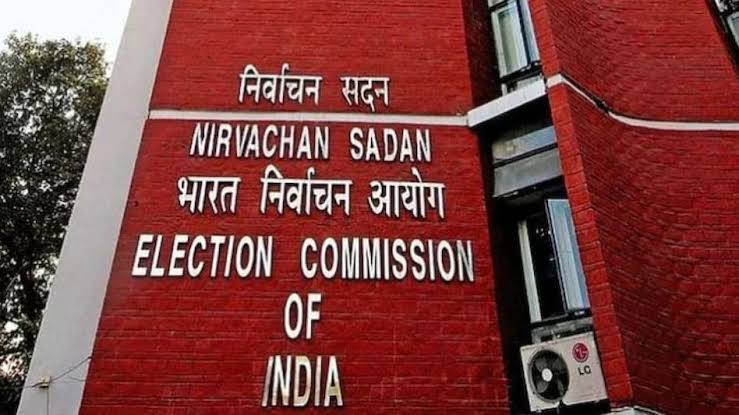
New Delhi, August 16, 2024 – The Election Commission of India has announced that the much-anticipated assembly elections for Jammu and Kashmir will unfold across three phases, commencing on September 18, with subsequent voting on September 25 and October 1, culminating in the counting of votes on October 4. This electoral event marks a significant moment for the region, being the first since the abrogation of Article 370 in 2019, which led to the transformation of Jammu and Kashmir into a Union Territory.
Phase Breakdown:
First Phase (September 18): Encompasses the districts of Pulwama, Anantnag, Shopian, Kulgam, Ramban, Kishtwar, and Doda.
Second Phase (September 25): Includes Ganderbal, Srinagar, Budgam, Poonch, Reasi, and Rajouri.
Third Phase (October 1): Covers Bandipora, Kupwara, Baramulla, Udhampur, Jammu, Samba, and Kathua.
The elections are set against the backdrop of significant political changes, including the Supreme Court’s directive to hold these elections by September 30, 2024, following its decision to uphold the abrogation of Article 370 as constitutionally valid. This directive was in response to a plea challenging the constitutional validity of the central government’s actions in 2019.
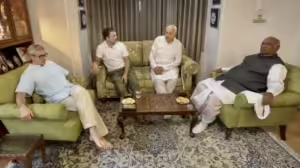
Political leaders across the spectrum have welcomed the announcement. Union Minister G Kishan Reddy urged the electorate to vote for BJP, emphasizing the party’s role in development and peace post the Article 370 revocation. Conversely, opposition parties like the National Conference and the Congress have expressed readiness for the polls, with Omar Abdullah of the National Conference stating, “Der aaye durust aaye,” indicating a long-awaited step towards democracy’s restoration in the region.
The election is not just about political power but symbolizes a return to democratic processes in an area that has seen considerable administrative and political upheaval. The number of Assembly seats has been adjusted to 90 following a delimitation exercise, with 47 in the Kashmir Valley and 43 in Jammu, reflecting changes in demographics and political representation.
The Election Commission has prepared for 11,838 polling stations across the Union Territory, with over 87.09 lakh voters expected to participate, showcasing a significant turnout potential. The elections are also under scrutiny for how they might reflect on the political sentiment following the changes in the region’s status and governance.
This electoral exercise is seen as a litmus test for the new political dynamics in Jammu and Kashmir, with all eyes on how the electorate will respond to the changes of the past five years, including the governance under the Lieutenant Governor and the promises of development and security made by various political entities. The results, to be declared on October 4, will undoubtedly set the tone for future political engagements in this critical region.