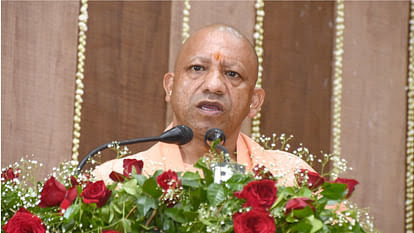
Gorakhpur, September 14, 2024 – In a statement that has reignited the debate over the Gyanvapi Structure in Varanasi, Uttar Pradesh Chief Minister Yogi Adityanath declared that referring to Gyanvapi as a mosque is “unfortunate,” asserting instead that it is “Vishwanath” (Lord Shiva) himself. This bold declaration was made during an international seminar on the “Contribution of Nath Panth in Building a Harmonious Society” at Deen Dayal Upadhyay Gorakhpur University.
CM Yogi Adityanath’s remarks have stirred a hornet’s nest, coming at a time when the Gyanvapi site remains at the heart of a contentious legal battle. The Hindu side has long argued that the mosque was constructed over the ruins of a pre-existing temple, a claim contested by the Muslim community. Adityanath’s statement, therefore, not only positions him firmly on the side of those who believe in the temple’s existence beneath the mosque, it also adds assurance to Hindu community’s faith that they will eventually get the justice
The Chief Minister’s beliefs comes from spiritual and historical elements, referencing an anecdote involving Adi Shankaracharya and Lord Vishwanath, suggesting a deep-rooted Hindu connection to the site. This has not only sparked a political debate but has also drawn criticism from opposition parties, notably the Samajwadi Party, which accused Yogi Adityanath of disrespecting the judiciary by making such claims while the matter is sub judice.
Abbas Haidar, a spokesperson for the Samajwadi Party, expressed dismay over the CM’s comments, alleging a lack of respect for the court’s ongoing proceedings. Conversely, supporters from the BJP and religious figures from Ayodhya have rallied behind the Chief Minister, with some even echoing his sentiments, calling those who refer to Gyanvapi as a mosque “unfortunate.”
This declaration comes on the heels of a series of legal maneuvers where the Hindu side represented by the firebrand lawyer Adv Vishnu Shankar Jain has sought various permissions, including the right to worship within the premises and a comprehensive survey by the Archaeological Survey of India (ASI) to ascertain the site’s historical and religious character. The recent court decisions have allowed for limited worship amidst the complex legal landscape surrounding Gyanvapi Structure.
CM Yogi Adityanath’s statement, made on Hindi Day, also touched upon the unifying force of Hindi, linking it back to Sanskrit, thereby reinforcing cultural and religious nationalism. This suggests that Gyanvapi issue is at the root of broader cultural and nationalistic identity of Hindus.
The controversy surrounding Gyanvapi is not just a legal or religious dispute but has morphed into a symbol of cultural identity and heritage. As the legal battles continue, the political and social ramifications of such statements could have far-reaching effects, influencing not just local sentiments but also the broader discourse on reclamation of looted and suppressed Hindu heritage in India.