
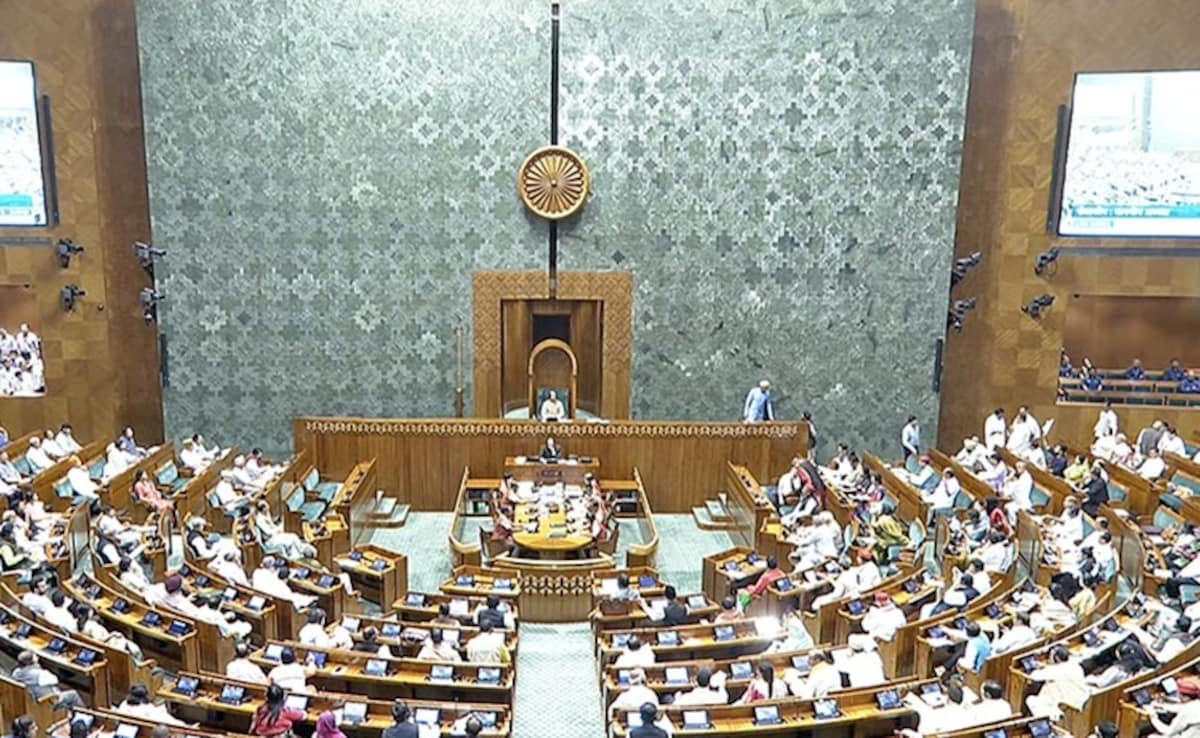
Prime Minister Narendra Modi-led NDA Goverment is all set to table the Waqf (Amendment) Bill, 2024, in the Lok Sabha today on August 7. The new Bill proposes to amend the Waqf Act, 1995 with 40 Amendments.
The Waqf Amendment Bill 2024 is set to bring significant changes to the existing Waqf Act of 1995, aiming to enhance transparency, accountability, and inclusivity in the management of Waqf properties. Let’s analyze the rationale behind some of the key amendments, and the anticipated impact on the Muslim community and the broader society.
Key Amendments:
- Renaming the Act:The bill proposes to rename the Waqf Act, 1995, as the “Unified Waqf Management, Empowerment, Efficiency and Development Act, 1995”. This change is intended to reflect the broader scope and objectives of the bill.
- Inclusion of Muslim Women and Non-Muslims: One of the most significant proposals of the bill is to ensure the representation of Muslim women and non-Muslims in Waqf boards. This move provides important check & balance since Waqf Act is applicable to “Non-Muslim” properties as well.
- Establishment of Separate Boards:The bill also seeks to establish separate boards for the Boharas and Aghakhanis, recognizing the distinct practices and needs of these communities. This provision is expected to provide a more tailored approach to the management of Waqf properties for these specific communities.
- Definition of “Waqf”:The bill proposes a clear definition of “Waqf” as Waqf by any person practicing Islam for at least five years and having ownership of such property. This clarification aims to streamline the process of declaring a property as Waqf.
- Mandatory Registration of Waqf Properties: The bill requires every Waqf registered under the Act to file the details of the Waqf and the property dedicated to the Waqf on the portal and database within six months from the commencement of the Waqf (Amendment) Act, 2024. This provision is aimed at enhancing transparency and accountability in the management of Waqf properties.
- Role of the District Magistrate/District Collector: The bill gives the District Magistrate a critical role in the declaration of Waqf properties, stating that such a property will not be declared Waqf until the District Magistrate gives a report. This provision is expected to ensure a more rigorous and transparent process for the declaration of Waqf properties. The bill gives powers to the district collectors to settle any disputes between the Waqf Board and the government.
- Curtailment of Tribunal Powers:The bill proposes to curtail the sweeping powers of the tribunal, and the clause that stated that the tribunal’s decision is final is proposed to be omitted. This change is aimed at ensuring a more balanced and fair process for resolving disputes related to Waqf properties.
Rationale Behind the Amendments:
The government argues that the amendments are necessary to address the long-standing concerns over the arbitrary powers of Waqf boards and to ensure that Waqf properties are managed efficiently and transparently.
Potential Impact:
The Waqf Amendment Bill 2024 has the potential to bring about significant changes in the management of Waqf properties and the functioning of Waqf boards. The inclusion of women and non-Muslims is expected to lead to more inclusive decision-making and better representation of the Muslim community. The mandatory verification of property claims is likely to enhance transparency and prevent the misuse of Waqf properties.
Advocate on Record Vishnu Shankar Jain who has been vociferously fighting a long battle against Waqf Board, as part of his Commitment to legally claim & restore all Hindu temples under occupation of Muslim Invaders, has Praised the changes stating “Very well researched waqf amendment bill 2024 has been prepared the central govt. I thank the government for understanding the issue and bringing legislative changes to it.” He further opines that “This bill will solve the issue and stop the illegal activities under the garb of waqf.”
However, some critics argue that the proposed changes could undermine the autonomy of the Muslim community and lead to the government’s interference in the management of Waqf properties. There are also concerns that the inclusion of non-Muslims in Waqf boards could dilute the religious character of these institutions.


