By – TeamNewsHour
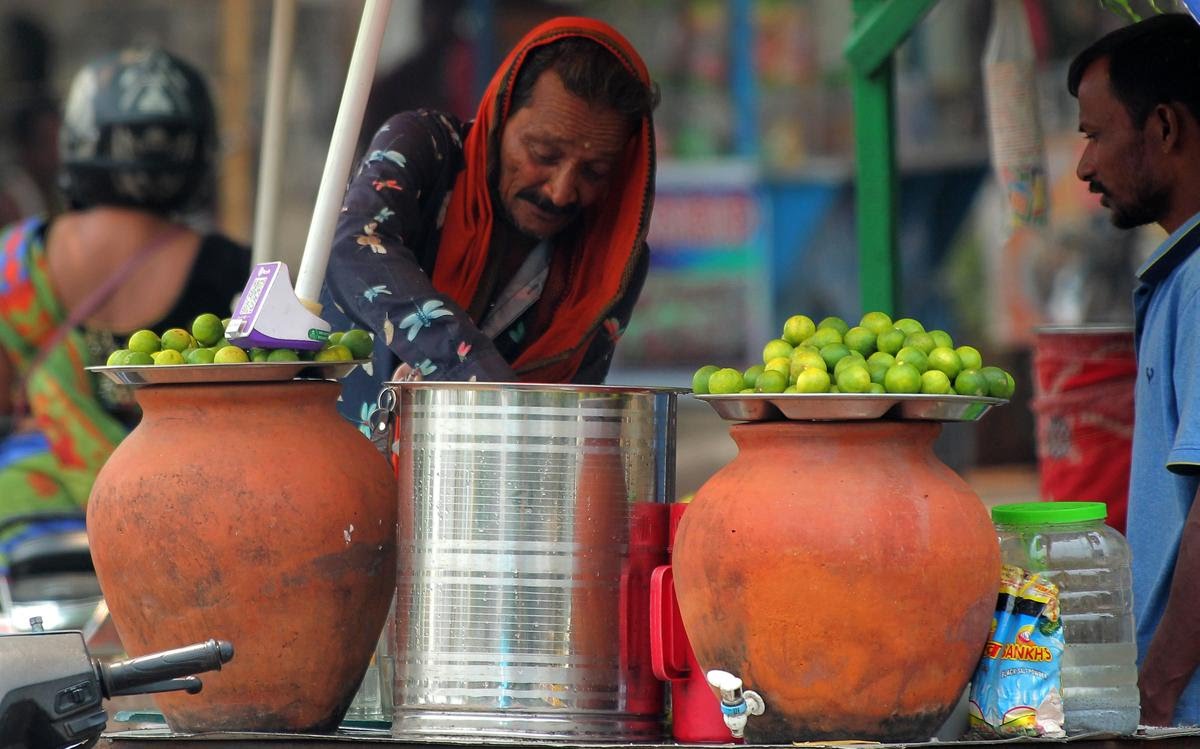
Shimla, Himachal Pradesh – Himachal Pradesh’s Urban Development Minister, Vikramaditya Singh, announced on September 25, 2024, that it would be mandatory for all shopkeepers and street vendors in Himachal Pradesh to display their identity cards. This decision was framed as a measure to ensure the sale of hygienic food and maintain internal security within the state. Following the announcement, there was considerable backlash due to fears of communal profiling and comparisons to similar policies in other states like Uttar Pradesh. Amid the controversy, Vikramaditya Singh was reportedly summoned to Delhi by the Congress high command, followed by eventual withdrawal of the policy.
The recent decision by the Himachal Pradesh government to withdraw the order requiring food vendors to display identification details publicly is a step back in the quest for transparency and hygiene in the street food sector. Initially, this move was hailed as a progressive step, mirroring Uttar Pradesh’s initiative under Chief Minister Yogi Adityanath, aimed at ensuring accountability and cleanliness.
A Step Towards Hygiene and Accountability
When the order was first introduced, it was received with cautious optimism. The rationale was simple: by displaying the names of vendors, there would be an inherent pressure to maintain hygiene standards, knowing that their identity was not just known but displayed. This measure was not merely about cleanliness but about creating a culture of accountability. Street food, while being an integral part of India’s culinary landscape, often falls under scrutiny for health and safety standards. The ID display order was a move to bridge the gap between anonymity and accountability, potentially reducing instances of food adulteration and negligence.
Local Support and the Rationale Behind It.
Locals, particularly those who frequent street food vendors, supported the initiative as it promised a layer of security and trust. The common consumer, often worried about the source and handling of their food, saw this as a guarantee of sorts. It wasn’t just about knowing who made your food but also about having a recourse in case of food-related issues. Moreover, honest vendors who maintain good practices stood to gain customer trust more easily, potentially increasing their business.
Why Withdrawal Might Be Against Public Interest
The Congress-led government’s decision to withdraw this order could be seen as bending to pressure from a segment of vendors who might find compliance cumbersome or fear accountability. However, this withdrawal might be against the broader public interest for several reasons:
1. Public Health: Transparency directly impacts public health. Knowing a vendor’s identity could deter the use of substandard or adulterated food materials, a frequent concern in unregulated food markets.
2. Consumer Confidence: The withdrawal might lead to a decline in consumer confidence. When consumers know who is preparing their food, there’s an implicit assurance of quality and accountability.
3. Tourism Impact: Himachal Pradesh is a tourist hub. Food safety transparency could enhance the state’s reputation as a safe destination for culinary tourism, an aspect now potentially compromised.
4. Precedent for Other States: Himachal was following a model that seemed to work in Uttar Pradesh. Retracting this could set a negative precedent for other states contemplating similar regulations.
5. Political Motivations: Critics argue that this decision might be influenced by vote-bank politics rather than public welfare. While it’s crucial to avoid overgeneralization, the timing and nature of the withdrawal raise questions about whether this is an attempt to appease a particular community.
Political Misstep or Misunderstanding?
The Congress government’s rollback might be viewed as a political misstep or a misunderstanding of grassroots-level public sentiment. While there might be legitimate concerns about implementation or the burden on small vendors, the solution lies in addressing these through better support systems or phased implementation, not in complete withdrawal.
Muslim Appeasement or Policy Misjudgment?
Labeling the withdrawal as Muslim appeasement might be an oversimplification. While it’s true that such policies could benefit any vendor, regardless of community, the narrative of appeasement comes from the broader political context where parties are often accused of favoring minority groups for votes. However, this perspective needs balanced scrutiny:
- Policy for All Vendors: On one hand, the policy affects all street vendors equally, not just those from one community. The focus should be on whether the policy serves public interest, not on which community it might benefit more.
- Need for Dialogue: Instead of jumping to conclusions about appeasement, there should be an open dialogue about why the policy was deemed unnecessary by the government. Transparency in decision-making can dispel myths and focus on whether the policy’s benefits outweigh the administrative or social costs.
In conclusion, the initial order was a beacon of progressive policy aimed at enhancing public welfare. The withdrawal of the Food Vendor ID order in Himachal Pradesh stands at a peculiar intersection of health policy, political strategy, and community relations. While the intention behind the withdrawal might be debated, the essence of governance should always pivot towards public interest. The government’s decision should be re-evaluated not through the lens of community-specific appeasement but through the prism of public safety, hygiene, and accountability. If indeed this is a misstep, it’s one that should be corrected not by political compulsion but by the collective voice of those it aims to serve.