
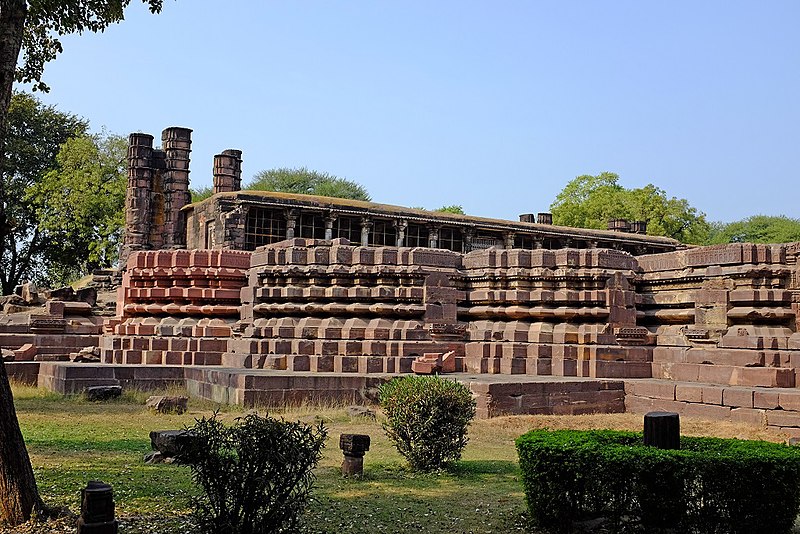
The Beejamandal, also known as Vijay Mandir, in Vidisha, Madhya Pradesh, has become a focal point of Hindu demands for religious freedom and cultural preservation. Built during the Chalukya dynasty and later reconstructed by Emperor Naravarman in the 11th century, the temple holds significant historical and cultural value for the Hindu community. However, it faced destruction, notably by Mughal Emperor Aurangzeb in the 17th century, who demolished the temple and built a mosque on its ruins.
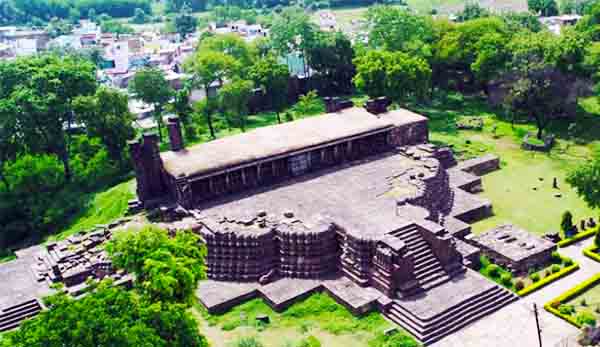
Despite its historical significance and the demands of the local Hindu community, the temple remains locked and inaccessible for worship. Hindus are advocating for the temple to be opened, especially for the upcoming Nag Panchami festival on August 9th, and are urging authorities to restore the temple to its original glory. The campaign emphasizes the need to reclaim the temple as part of India’s cultural heritage and to allow Hindus to resume their religious practices there.
The temple’s current state, with idols locked away and worship restricted, has sparked a significant outcry among Hindus. The demand for the reopening of Beejamandal reflects a broader movement in India to reclaim and restore temples that were destroyed or converted during historical conflicts.
The Beejamandal Temple issue highlights the ongoing challenges faced by the majority Hindu community in India, where historical and cultural sites often become entangled in complex socio-political dynamics. The Hindu community’s demand for the reopening of the temple is not only about religious freedom but also about preserving India’s rich cultural heritage and history.
As the controversy unfolds, it remains to be seen how the authorities will respond to the Hindu community’s demands. The outcome of this case could have significant implications for the preservation of India’s cultural heritage and the rights of religious communities.


