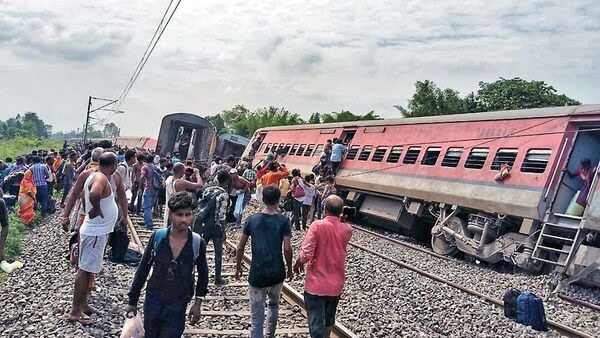
Aligarh, Uttar Pradesh – In a shocking revelation of sabotage against India’s railway infrastructure, a person named “Mohammed Afsan” has been arrested for his alleged involvement in an attempt to derail a train by placing an alloy wheel and other objects on the railway tracks in Aligarh, Uttar Pradesh. This incident, which has raised alarm over railway safety, comes on the heels of a similar event in Kanpur on August 17, where an object on the tracks led to a derailment, as confirmed by Railway Minister Ashwini Vaishnaw.
The arrest follows a swift investigation by railway authorities and local police, who identified Afsan after security footage captured him near the site where the objects were found. The placement of these items was not accidental; the objects were strategically positioned to cause maximum disruption and potential harm, suggesting a deliberate act of sabotage, hence nothing short of terrorism.
The exact date of Afsan’s act of sabotage is not specified, but it closely follows the Kanpur derailment, indicating a pattern of such incidents. An alloy wheel, among other items, was placed on the tracks, a method previously used in Kanpur, suggesting a possible copycat or linked operation.
The incident has sparked widespread concern over the safety of rail travel in India, with many on social media platforms like X (formerly Twitter) using hashtags like #RailJihad to express their outrage and fear over what they perceive as targeted attacks on the railway system. Railway Minister Ashwini Vaishnaw has promised a thorough investigation into these incidents, highlighting the need for enhanced security measures along railway tracks.
Meanwhile, Afsan has been charged under various sections of the Indian Penal Code, which could include sabotage, endangering life, and criminal conspiracy. The legal community and observers are watching closely to see how this case unfolds, given its implications for national security and public safety.
This incident underscores the vulnerability of India’s vast railway network to acts of sabotage. While the motive behind Afsan’s actions remains under investigation, the event has prompted discussions on the need for more robust surveillance and preventive measures along railway tracks. While the swift arrest is matter of relief, but situation remains on edge, with need for increased police patrols and removing the illegal settlements along Railway tracks across the country, which are mostly occupied by illegal refugees believed to be from Bangladesh and Rohingyas from Myanmar.
As the investigation continues, authorities are expected to delve deeper into Afsan’s background and any potential connections to similar acts of sabotage, aiming to prevent future threats to one of India’s most critical transportation infrastructures. This case serves as a stark reminder of the ongoing challenges in securing public transport against malicious and acts of terror.