
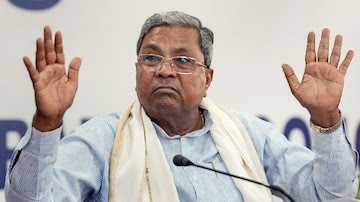
In a significant financial move, the Karnataka government has issued a directive ordering all state departments, public sector units, boards, corporations, local bodies, and universities to immediately suspend transactions with the State Bank of India (SBI) and Punjab National Bank (PNB). This decision, approved by Chief Minister Siddaramaiah, comes in the wake of allegations regarding the misuse of government funds by these banks.
The Allegations:
- SBI Case: The Karnataka State Pollution Control Board had deposited Rs 10 crore with the erstwhile State Bank of Mysore, now part of SBI, which was allegedly misused to settle loans of a private company using forged documents before the deposit’s maturity.
- PNB Incident: The Karnataka Industrial Area Development Board (KIADB) had placed a fixed deposit of Rs 25 crore with PNB’s Rajajinagar branch in 2011. Upon maturity, only Rs 13 crore was returned, with the remaining amount unaccounted for, leading to allegations of misappropriation.
Government’s Directive: The order, signed by the Finance Secretary, requires all state entities to close their accounts with these banks and recover their deposits by a set deadline of September 20. This drastic step was taken after previous communications and warnings to the banks did not yield satisfactory resolutions. The government’s action underscores a significant breach of trust, highlighting the severity of the financial irregularities alleged.
Both SBI and PNB have expressed surprise at the government’s decision, especially since some of the matters are sub judice. They have initiated dialogues to resolve the issues, indicating a willingness to negotiate, but the government’s stance remains firm.
Social media platforms like X (formerly Twitter) have been abuzz with reactions. Users have expressed varied sentiments, from support for the government’s stringent action against financial misconduct to concerns over the impact on banking relationships and the broader financial ecosystem in Karnataka.
While the immediate economic impact might seem limited due to the relatively small amounts involved, the decision could set a precedent for how state governments handle financial dealings with public sector banks, potentially affecting future banking relationships and trust.
The Karnataka government’s move to suspend transactions with SBI and PNB marks a significant moment in state financial governance, signaling a confrontational approach towards Central Government subsidiaries. As the situation unfolds, it will be crucial to observe how this decision influences the state’s financial policies and its relations with national banks.


