
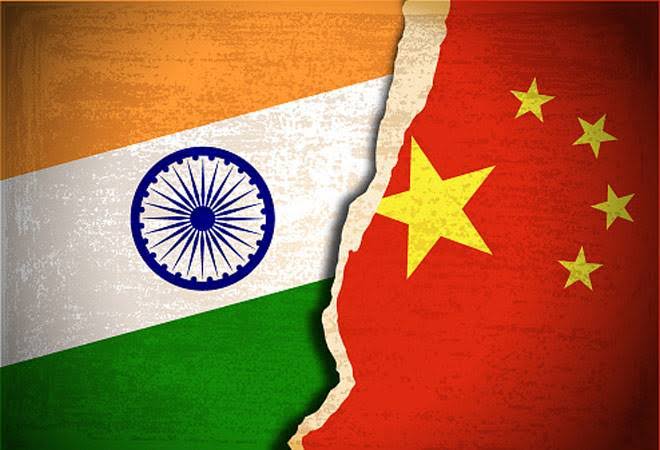
In a significant development in the ongoing border tensions, India and China have confirmed the disengagement of troops in four critical areas along the Line of Actual Control (LAC) in Eastern Ladakh, including the Galwan Valley. This move follows high-level diplomatic talks between Indian National Security Adviser Ajit Doval and Chinese Foreign Minister Wang Yi on the sidelines of a BRICS security meeting in St. Petersburg, Russia.
The disengagement, as confirmed by both nations, marks a pivotal step towards de-escalation after years of heightened military presence and tensions, particularly following the violent clash in the Galwan Valley in June 2020, which was the most serious military conflict between the two nations in decades. The agreement to disengage was part of broader discussions aimed at restoring peace and tranquility along the disputed border, which has been a flashpoint for military standoffs.
According to sources, the disengagement process involves both countries withdrawing their troops from close proximity in these areas, returning to their respective bases, and establishing mechanisms for regular patrolling to prevent future misunderstandings. This step is seen as a precursor to potentially broader agreements on border management.
The talks between Doval and Wang Yi underscored the mutual interest in stabilizing bilateral relations, with both sides expressing a commitment to handle differences pragmatically. The Chinese Foreign Ministry highlighted the belief that stable China-India relations are not only in the interest of both nations but also conducive to regional peace and development.
India’s External Affairs Ministry echoed this sentiment, emphasizing the urgency to achieve complete disengagement in the remaining friction points in Eastern Ladakh. The ministry’s statement reflected India’s stance that peace and tranquility in border areas, along with respect for the LAC, are crucial for normalizing bilateral ties.
This development comes at a time when both countries have been engaged in multiple rounds of military and diplomatic talks to resolve the standoff, with 21 rounds of Corps Commander-level talks having been held so far. The disengagement, while partial, is viewed as a positive sign by observers, indicating a willingness from both sides to move towards a more stable border management regime.
However, challenges remain. The complete resolution of the border issue, which has seen troops disengaged from several but not all friction points, continues to be a complex process. Both nations have agreed to work with urgency to address these remaining issues, aiming for a comprehensive solution that could pave the way for improved bilateral relations.
The disengagement in Ladakh, therefore, not only signifies a tactical military withdrawal but also holds symbolic value as a gesture of intent towards peace. As both nations navigate through these sensitive diplomatic waters, the global community watches closely, hopeful for a lasting resolution that could redefine the dynamics in South Asia.


