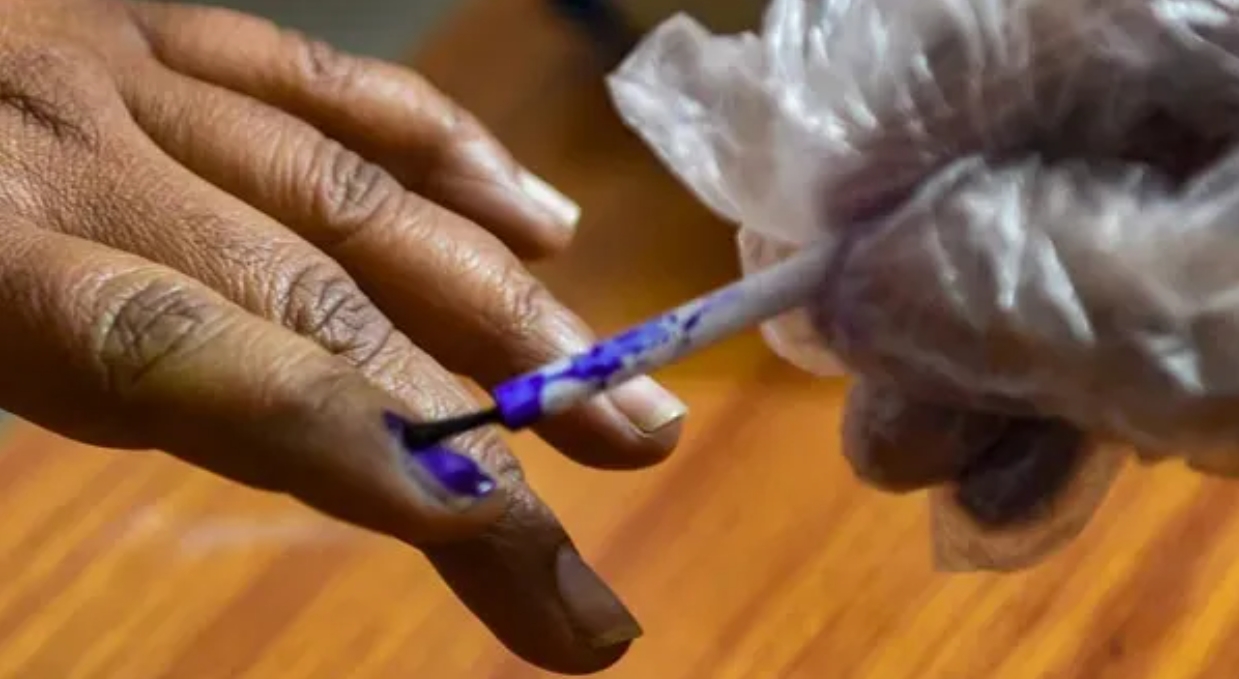
RS Pura, Jammu & Kashmir – October 1, 2024: In what marks a significant chapter in the annals of Jammu and Kashmir’s political landscape, Pakistani Hindu refugees, alongside Valmikis and Gorkhas, participated in the region’s assembly elections for the first time since India’s independence. This monumental event follows the pivotal decision to abrogate Article 370, a move by the Narendra Modi-led government that has redefined the socio-political fabric of the region.
The atmosphere in RS Pura was nothing short of celebratory. Families, some of whom have waited over seven decades, finally saw their long-standing desire to vote materialize. The abrogation of Article 370 not only integrated Jammu and Kashmir more fully with India but also extended rights, including voting, to communities previously marginalized.
A Vote of Gratitude
The sentiment among the voters was one of profound gratitude towards Prime Minister Narendra Modi. “This is a gift given to us by PM Modi,” expressed one voter, highlighting the emotional significance of this day. The granting of domicile status to these communities has not just been a legal change but a gateway to a new life where they can participate in shaping their future.
Modi Government’s Inclusive Policy
The decision to allow these communities to vote is seen as part of the Modi government’s broader policy of inclusion and integration. Critics and supporters alike recognize this move as a bold step towards rectifying historical injustices. For decades, these refugees lived on the fringes, unable to own land or vote, essentially second-class citizens in a land they called home.
The government’s action here serves multiple purposes: it’s a humanitarian gesture, a political strategy, and a message of inclusivity. By enabling these refugees to vote, Modi’s administration not only garners a new voter base but also sends a strong message about its commitment to ‘Sabka Saath, Sabka Vikas’ (Together with all, Development for all).
Opinion: A Step Towards Normalcy and Integration
The Modi government’s initiative to allow voting rights to Pakistani refugees, Valmikis, and Gorkhas is laudable. It’s a step that goes beyond politics; it’s about human dignity and rights. However, this action should not be seen in isolation but as part of a series of reforms aimed at normalizing the situation in Jammu and Kashmir.
While critics might argue about the timing and the potential political motivations behind this move, the human element cannot be ignored. For those casting their votes, this isn’t just about choosing a leader; it’s about finally being recognized as part of the society they’ve lived in for decades.
Yet, this development also opens up discussions on the future implications. Will this lead to further integration, or could it stir local political dynamics in unforeseen ways? The Modi government’s approach, while currently celebrated, will need to navigate the complex socio-political landscape of J&K with continued sensitivity and strategic foresight.
In conclusion, today’s voting is a historic stride towards inclusivity, reflecting a policy shift that could set a precedent for how democracies address refugee issues globally. The Modi government, through this act, not only reshapes the electoral demographics of J&K but also reinforces its image as a government that acts decisively on its promises of development and integration for all. However, the true test will be in the sustained efforts towards the region’s stability and prosperity.