
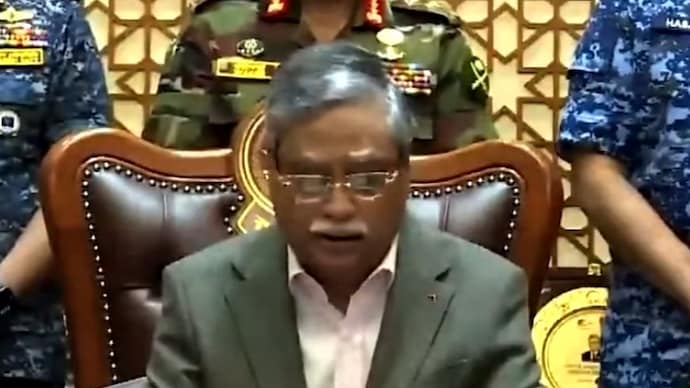
September 6, 2024, DHAKA, Bangladesh – In a move that has raised eyebrows and sparked widespread concern both within Bangladesh and internationally, President Mohammed Shahabuddin has issued a directive requesting detailed information on all Hindu officers currently employed across various government sectors in Bangladesh. This request, as revealed through official communications and confirmed by sources within the government, has ignited a firestorm of debate regarding religious profiling and minority rights in the predominantly Muslim country.
The letter, which was leaked to the public and has since been discussed fervently on social media platforms like X, was initially described by some government officials as a “clerical error.” However, the timing and content of the letter have led to significant skepticism and alarm among the Hindu community, which constitutes approximately 8% of Bangladesh’s population. Critics argue that such a directive could be a precursor to discriminatory practices or even purges based on religious identity, echoing fears of past instances where minorities have been targeted.
The request comes in the wake of a tumultuous period in Bangladesh’s political landscape, marked by the resignation of Prime Minister Sheikh Hasina following mass protests and the subsequent formation of an interim government led by Nobel laureate Muhammad Yunus. This period has been characterized by violence, particularly against supporters of the ousted government, many of whom are perceived to be from the Hindu community due to historical affiliations with the Awami League.
International reactions have been swift. The United Nations has been urged to investigate the matter, with concerns over potential human rights violations. India, with a significant interest in the welfare of Hindus in Bangladesh, has expressed its concerns through diplomatic channels, with statements from the Ministry of External Affairs indicating a close watch on the situation. Social media platforms have been abuzz with posts from concerned citizens and activists, highlighting incidents of violence against Hindus and questioning the government’s motives behind such a data collection.
Muhammad Yunus, in his capacity as the head of the interim government, has promised to address these concerns, emphasizing the safety and rights of all citizens regardless of their religious background. However, the letter’s implications have already begun to sow seeds of distrust and fear among the Hindu population, with reports of some officers receiving threats or being coerced into resignation.
The government’s clarification that the letter was a result of a clerical error has done little to quell the rising tide of anxiety. Critics argue that even if the request was a mistake, it reflects deeper systemic issues regarding how religious minorities are perceived and treated within governmental structures.
This incident underscores the fragile balance of religious harmony in Bangladesh, where political changes can rapidly escalate into communal tensions. As the situation unfolds, all eyes are on how the interim government will navigate these choppy waters, ensuring not just the physical safety but also the trust and integration of its Hindu citizens. The international community, particularly neighboring India, watches closely, hoping for a resolution that upholds the principles of equality and secularism that Bangladesh has historically championed.


