
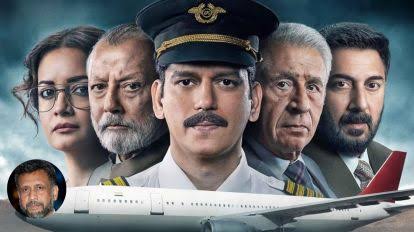
In a move that has sparked significant debate and controversy, the Netflix series “IC 814: The Kandahar Hijack,” directed by Anubhav Sinha, has altered the names of the hijackers involved in the 1999 Indian Airlines flight hijacking. This creative decision has not only stirred a pot of public sentiment but also raised questions about historical accuracy and the portrayal of sensitive events in media.
The original hijackers, known by names such as Ibrahim Athar, Shahid Akhtar, Sunny Ahmed, Zahoor Mistry, and Shakir, have been renamed in the series to characters like “Bhola,” “Shankar,” “Burger,” and “Doctor.” This alteration, as revealed through various posts on X (formerly known as Twitter), has been interpreted by some as an attempt to either sanitize or misrepresent the identities of the terrorist hijackers, potentially leading to a misinterpretation of the event’s cultural and religious context.
The decision to change these names has led to accusations of whitewashing terrorism and subtly promoting a narrative that could be seen as aligning with certain political or cultural agendas. Critics argue that by changing the names, particularly to ones that might be associated with different cultural or religious backgrounds, the series might be inadvertently suggesting a different demographic involvement in the hijacking than what actually occurred. This has led to a significant backlash, with some calling for a boycott of the series, accusing it of targeting Hindus or misrepresenting the event’s true nature.
On the other hand, supporters of the series, including some involved in its production, argue that the name changes were made to reflect how the hijackers referred to themselves during the ordeal. According to insights from the series’ creators and posts on X, these aliases were used by the hijackers themselves, suggesting a layer of operational secrecy or perhaps an attempt to distance themselves from their real identities during the hijacking. This perspective frames the name changes not as an erasure of history but as an adherence to the actual dynamics of the hijacking scenario.
However, this approach has evidently not been received well by all, with many feeling that it detracts from the factual integrity of the event.
The series, which should have focused on its narrative grip regarding Islamic terrorism and how the hijack lead to release of India’s current most wanted International Terrorist, believed to be hiding in Pakistan, now finds itself at the center of a cultural debate. This debate touches on broader issues of how historical events, especially those involving terrorism, should be depicted in media. Should creative liberties be taken for dramatic effect, or is there an ethical obligation to maintain historical accuracy, especially when dealing with events that have deeply affected national psyche?
As “IC 814: The Kandahar Hijack” continues to be discussed across various platforms, including X, where users have expressed both outrage and support, it underscores the delicate balance creators must strike between artistic freedom and respect for historical truth. This incident serves as a reminder of the power of media in shaping public memory and the ongoing dialogue about representation in storytelling.


