
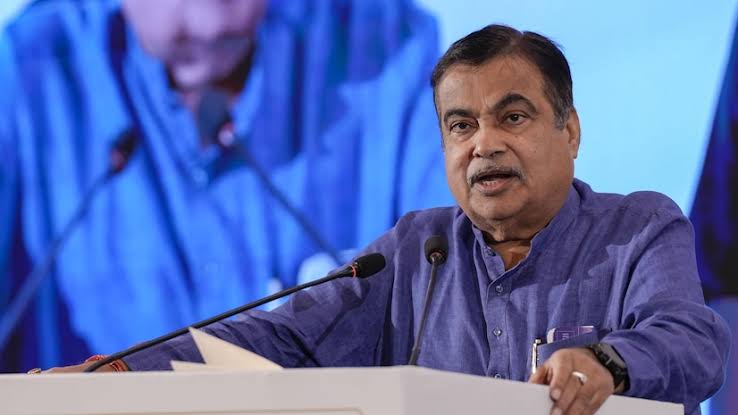
New Delhi, September 1, 2024 – In a bold move towards environmental sustainability, Union Minister Nitin Gadkari has reiterated his commitment to phasing out diesel and petrol vehicles from India, aiming for a complete transformation within the next decade. This vision, part of a broader strategy to make India a green economy, has been a consistent theme in Gadkari’s policy discussions, reflecting a significant shift towards alternative fuels and electric mobility.
Gadkari’s plan, which has stirred both support and debate across the automotive industry and environmental circles, focuses on reducing the nation’s dependency on fossil fuels. He highlighted the economic benefits, pointing out that India currently spends approximately Rs 16 lakh crore annually on fuel imports. “This money can be redirected towards improving the lives of farmers, enhancing rural prosperity, and creating employment opportunities for the youth,” Gadkari stated in recent interviews.
The proposal includes a strategic reduction in GST for hybrid vehicles to 5% and for vehicles with flex engines to 12%, a move currently under consideration by the Finance Ministry. This fiscal incentive aims to accelerate the adoption of cleaner, more sustainable transport solutions. Gadkari’s advocacy for biofuels, hydrogen, and electric vehicles underscores his belief in a future where alternative fuels dominate the Indian automotive landscape.
Environmental activists have welcomed this vision, though with a note of caution. Avinash Chanchal from Greenpeace India emphasized, “While the shift to electric vehicles is promising, it’s crucial that we also transition our energy production towards renewable sources to truly combat climate change.” This perspective highlights the interconnected challenges of vehicle emissions and electricity generation in India, which still heavily relies on fossil fuels.
The automotive industry’s response has been mixed. While manufacturers like Bajaj, TVS, and Hero MotoCorp are exploring flex engines and other alternative technologies, the infrastructure for electric vehicles, particularly charging stations, remains a significant hurdle. Critics argue that without a robust EV charging network, the transition could face practical limitations.
Gadkari’s statements on X (formerly Twitter) have also sparked discussions among netizens. There’s a palpable sense of urgency and skepticism about the feasibility of his timeline, given the current state of EV infrastructure and the economic implications for both consumers and the automotive sector. However, Gadkari remains optimistic, citing the rapid advancements in technology and the increasing viability of electric and biofuel alternatives.
This initiative, if realized, could position India as a leader in sustainable transportation, potentially reshaping not just its automotive industry but also its energy sector. The success of Gadkari’s plan hinges on multiple factors, including policy support, technological innovation, and public acceptance. As India navigates this ambitious green transition, the world watches, intrigued by the potential of one of the largest automotive markets to redefine mobility standards globally.


