– By Amit Bhatia
In a significant boost to India’s defense capabilities, France has made an unprecedented offer for the complete transfer of technology in the development of high-thrust aircraft engines and advanced underwater drones. This move underscores the deepening strategic partnership between the two nations, particularly in the realm of defense technology.
A Leap Towards Self-Reliance in Defense
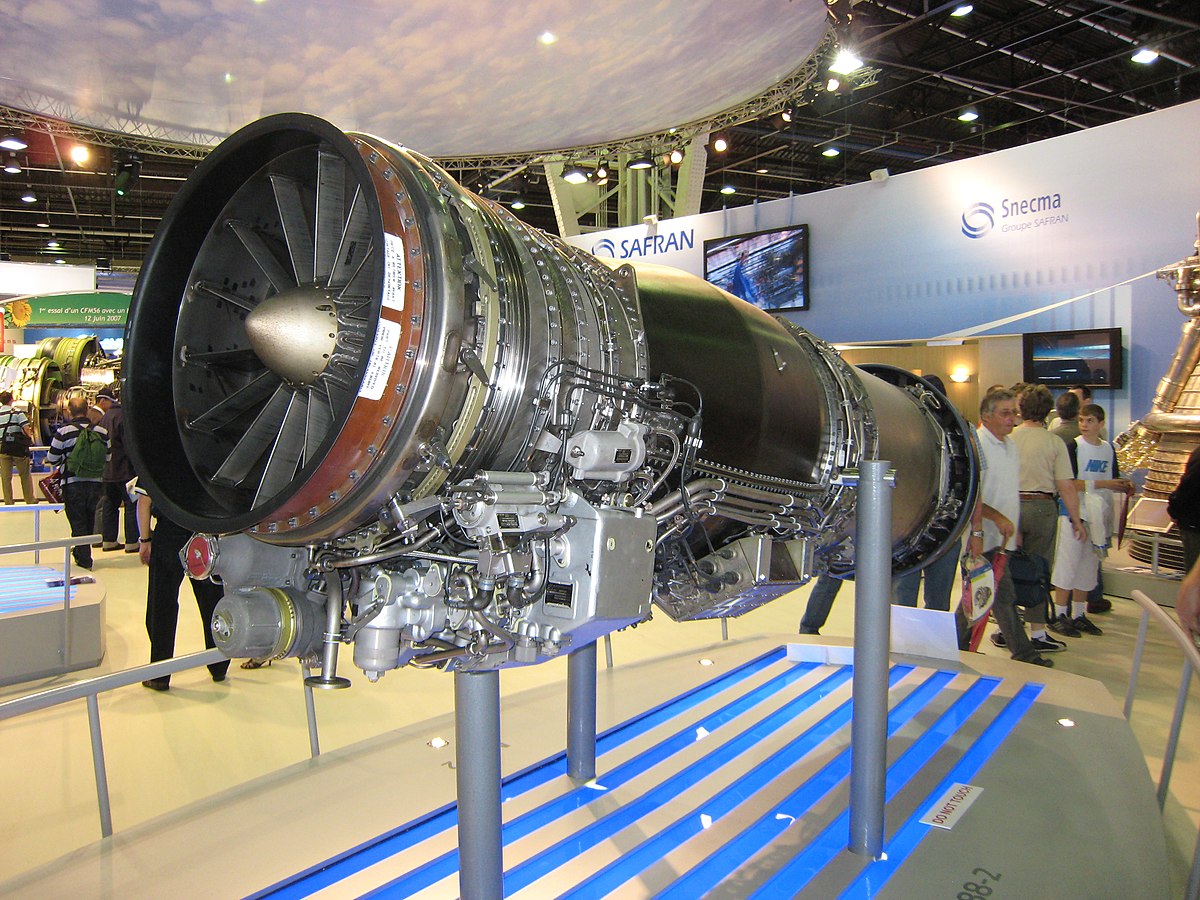
The French government, through its leading defense contractor Safran, has proposed to jointly design, develop, certify, and produce 110 kilo-Newton thrust engines, which could power India’s future generation of combat aircraft, notably the Advanced Medium Combat Aircraft (AMCA) project. This offer includes not just the engines but also extends to underwater drones, enhancing India’s naval capabilities significantly.
Nuclear Ambitions and Submarine Technology
Further sweetening the deal, France has indicated readiness to discuss and support India in the construction of nuclear attack submarines. This proposal could potentially include training Indian experts in advanced metallurgy, crucial for the development of such sophisticated naval assets. This aspect of the offer aligns with India’s long-term vision of bolstering its nuclear triad.
Strategic Implications
This technology transfer is not merely about hardware; it’s a strategic partnership aiming to enhance India’s indigenous defense manufacturing base. It comes at a time when India is looking to diversify its military technology sources and reduce dependency on imports. The collaboration could set a precedent for future defense projects, not only between India and France but also involving third countries friendly to both nations.
Historical Context and Future Prospects
Historically, France has been one of India’s reliable partners in defense, from the supply of Rafale jets to collaboration in space technology with ISRO. This new offer builds on that foundation, promising to create a robust industrial ecosystem in India for aerospace and naval defense technologies.
The discussions around these offers have been part of high-level diplomatic engagements, with personalities like the Chairman of Safran Engines, Ross McInnes, playing pivotal roles. The tech transfer, if materialized, would not only equip India with state-of-the-art technology but also potentially position it as a hub for defense manufacturing in Asia.
Overall this is a really positive development which has potential to be a game-changer for India’s defense sector. However, the details of the implementation, the cost implications, and how this fits into India’s broader defense strategy remain topics of keen interest in days to come.
This technological handshake between France and India could well redefine strategic defense alliances in the 21st century, marking another chapter in the evolving story of global power dynamics.