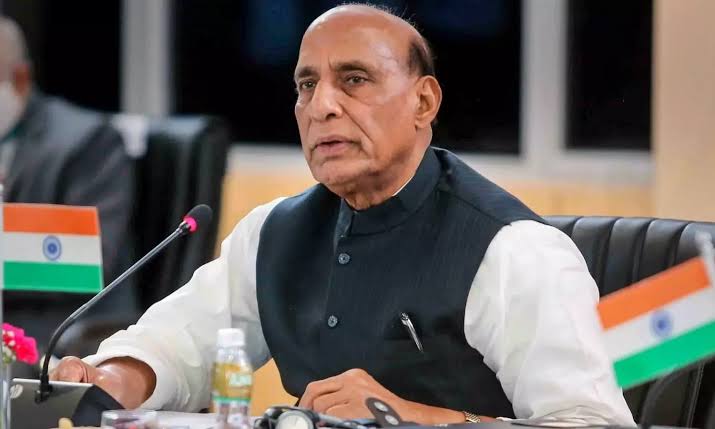
New Delhi, September 3, 2024 – In a significant stride towards enhancing India’s defence capabilities and promoting self-reliance in military hardware, the Defence Acquisition Council (DAC), chaired by Defence Minister Rajnath Singh, has approved 10 capital acquisition proposals amounting to Rs 1,44,716 crore. This decision marks one of the largest single-day investments in India’s defence sector, focusing heavily on indigenous technology and manufacturing.
The DAC’s approval includes the procurement of Future Ready Combat Vehicles (FRCVs) for the modernization of the Indian Army’s tank fleet. These vehicles, designed to be the backbone of future armoured warfare, will incorporate advanced mobility, protection, and firepower, setting a new standard for combat readiness. The FRCVs, along with other armoured platforms, are expected to be produced by Armoured Vehicles Nigam Limited, showcasing the government’s commitment to leveraging the capabilities of newly reformed defence public sector undertakings.
Additionally, the council greenlit the acquisition of Air Defence Fire Control Radars, crucial for detecting and tracking aerial threats, thereby enhancing India’s air defence network. The procurement also extends to the Indian Coast Guard, with the approval for Dornier-228 aircraft, Next Generation Fast Patrol Vessels, and Offshore Patrol Vessels. These assets will significantly boost maritime surveillance, search and rescue operations, and disaster relief efforts, aligning with India’s strategic interests in the Indian Ocean Region.
A notable aspect of these acquisitions is the emphasis on indigenous sourcing. Over 99% of the approved funds are designated for procurement under the ‘Buy (Indian)’ and ‘Buy (Indian-IDDM)’ categories, which mandate that the equipment must be designed, developed, and manufactured in India. This move not only supports the ‘Make in India’ initiative but also aims to reduce India’s dependency on foreign military hardware, fostering a robust domestic defence industry.
The DAC’s decisions today reflect a broader policy shift towards self-reliance in defence, spurred by recent reforms in the defence manufacturing sector. The dissolution of the Ordnance Factory Board into seven distinct companies three years ago was a precursor to such initiatives, aiming to streamline production and enhance competitiveness.
“Today’s decisions are not just about acquiring military hardware; they are about securing our future and empowering our defence sector to stand on its own feet,” – Defence Minister Rajnath Singh.
Defence Minister Rajnath Singh, speaking on the occasion, highlighted the importance of these procurements in the context of national security and economic self-reliance. “Today’s decisions are not just about acquiring military hardware; they are about securing our future and empowering our defence sector to stand on its own feet,” Singh remarked.
The approval also comes with a moment of solemn remembrance as the DAC paid tribute to late Indian Coast Guard Director General Rakesh Pal, acknowledging his contributions to the nation’s maritime security.
This substantial investment in defence is expected to have a ripple effect across the economy, providing a boost to the defence industry, creating jobs, and fostering innovation in technology. As India looks to assert its strategic autonomy, these procurements are a step towards not only enhancing military capabilities but also in signaling India’s intent to be a significant player in global defence technology.