
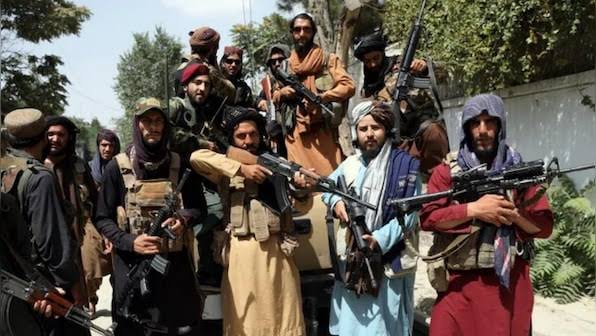
ISLAMABAD, Pakistan – In a massive escalation of hostilities, the Tehrik-i-Taliban Pakistan (TTP) has formally declared war on the Pakistan Army, signaling a return to large-scale conflict after a period of relative ceasefire. The announcement, made through various channels including social media platforms like X (formerly Twitter), indicates the TTP’s intent to launch aggressive attacks against Pakistani security forces, particularly those stationed along the Afghan border.
The declaration comes at a time when Pakistan has been grappling with internal security challenges, compounded by the complex dynamics with Afghanistan, where the Afghan Taliban’s control has indirectly influenced TTP’s operations. The TTP’s move is seen as a direct response to ongoing military operations by Pakistan against its militants, as well as broader political demands that have gone unmet.
The immediate backdrop to this declaration includes several high-profile attacks. Most notably, an assault on Pakistan Army posts in Chitral resulted in significant casualties, with reports suggesting both military losses and TTP fighters being killed or captured. This incident, among others, underscores the escalating violence and the TTP’s renewed vigor in its fight against the state.
In response, the Pakistan Army has not only engaged in direct combat but has also announced a new military operation, “Azm-e-Istehkam,” aimed at curbing the surge in militant activities. This operation, while part of a series of military efforts against terrorism, reflects Pakistan’s compulsion to address the security situation, influenced by both domestic politics and international pressures, particularly from China, which has significant investments in Pakistan through the China-Pakistan Economic Corridor (CPEC).
The TTP’s declaration of war adds another layer of complexity to Pakistan’s relations with Afghanistan, where the Afghan Taliban government has been accused by Pakistan of not doing enough to control TTP activities from its soil. This has led to diplomatic frictions, with Pakistan urging the Taliban to honor past agreements to not allow Afghan territory to be used for attacks against Pakistan.
Public sentiment, as reflected on platforms like X, shows a mix of fear, frustration, and calls for a strong military response. The government, under Prime Minister Shehbaz Sharif, controlled by Pakistan’s Military Establishment has adopted a hardline stance, emphasizing the need for a comprehensive counter-terrorism strategy that goes beyond military operations to include political dialogue where feasible.
The TTP’s declaration of war marks a critical juncture for Pakistan’s security apparatus, which to a large extent is outcome of Pakistan’s usage of Islamic terrorism as a state policy against neighboring India. While the immediate response has been military, the long-term solution might require Pakistan to be a responsible state adapting a multifaceted approach, including diplomatic efforts with Afghanistan, internal political reforms, curbing Pakistan Army power and possibly revisiting & Honouring past agreements.
Seems Unlikely? Then Pakistan seems to be heading towards Balkanization. The international community, especially neighbors and stakeholders like China, will be watching closely as Pakistan navigates this new phase of conflict, with implications not just for national security but also for regional stability.


