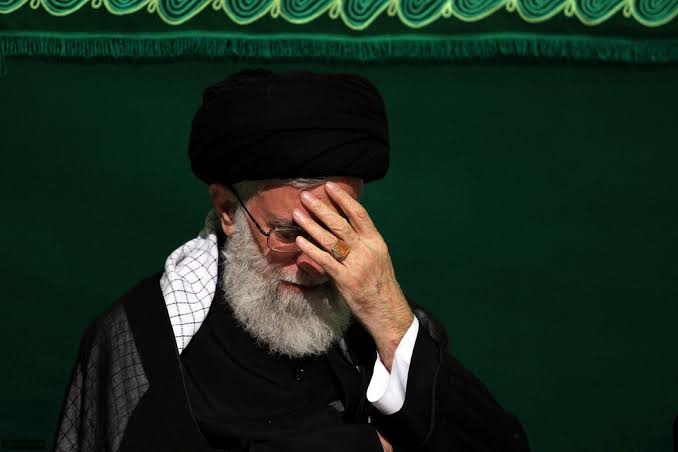
New Delhi, September 16, 2024 – In a sharp diplomatic rebuttal, India has strongly condemned remarks made by Iran’s Supreme Leader Ayatollah Ali Khamenei concerning the treatment of minorities in India. The Indian Ministry of External Affairs (MEA) described Khamenei’s comments as “misinformed and unacceptable,” urging countries to introspect on their own human rights records before critiquing others.
The controversy erupted after Khamenei, in a message marking the birth anniversary of Prophet Mohammed, highlighted what he described as the “suffering” of Muslims in several regions, including India, alongside Gaza and Myanmar. His comments, posted on X (formerly Twitter), suggested that one cannot claim to be a true Muslim if they are indifferent to the plight of fellow Muslims globally.
India’s response was swift and firm. “We strongly deplore the comments made regarding minorities in India by the Supreme Leader of Iran,” stated the MEA in an official release. This statement reflects India’s growing assertiveness in defending its internal policies against international criticism, especially when it comes to matters of domestic governance and human rights.
The MEA’s admonition to look at one’s own record before commenting on others subtly points towards Iran’s own challenges with minority rights, including the treatment of ethnic and religious minorities like the Kurds, Balochis, and the Baha’i community. This tit-for-tat approach in diplomatic exchanges underscores the complexities of international relations where human rights concerns are often leveraged for geopolitical posturing.
This isn’t the first instance of Khamenei commenting on India’s minority issues. Previously, in 2019 and 2020, he had expressed concerns over the situation of Muslims in India, particularly following the revocation of Jammu and Kashmir’s special status in the form of Article 370, and during communal violence in Delhi. Each time, India has responded with a call for introspection on the part of Iran.
The latest exchange comes at a time when India and Iran are navigating a delicate balance in their relations, with economic interests like the Chabahar Port project in Iran, which is crucial for India’s connectivity to Central Asia, countering the geopolitical tensions. Despite these economic ties, such public spats indicate underlying tensions that could affect broader regional dynamics. The Indian government’s strong stance also reflects a broader policy of not tolerating external interference in what it considers internal affairs.
This incident might not only affect India-Iran relations but could also influence how India engages with other nations on matters of human rights and minority issues. As the world watches, this diplomatic tussle serves as a reminder of the intricate dance of international politics, where comments on human rights can quickly escalate into broader geopolitical confrontations.