
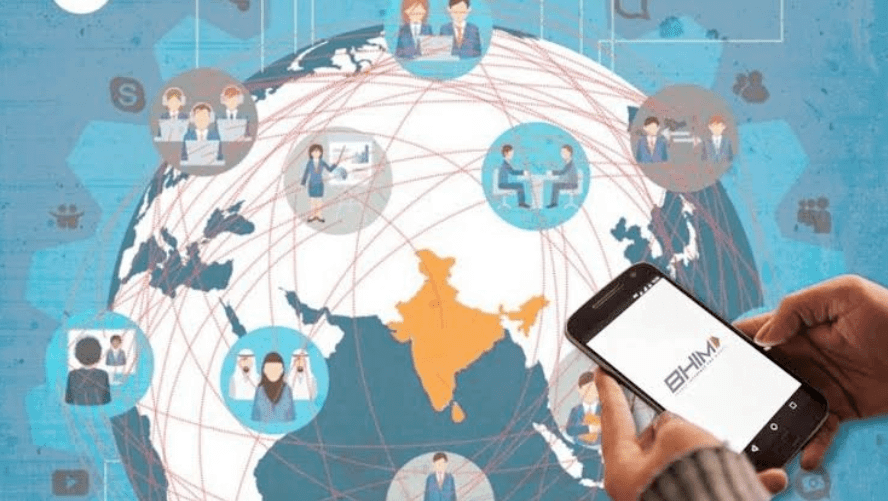
The Made-in-India UPI is expected to be a valuable asset during the festival season of Diwali 2023. UPI has already revolutionized digital payments in India, and experts predict that its continued growth will bring numerous benefits to both customers and businesses.
The Reserve Bank of India (RBI) has taken a step forward by authorizing non-resident Indians (NRIs) with international mobile numbers linked to their NRE/NRO accounts from ten dierent countries to access UPI, albeit with certain restrictions. In addition, the facility to access UPI for their merchant payments (P2M) has been expanded to travellers from the G-20 nations. Initially, this will be a pilot program at selected international airports, prior to allowing all inbound travellers to India to use the service while they are in the country. This coincides with the G20’s financial inclusion priority of enabling faster, cheaper, and more transparent cross-border payments. Moreover, it supports the United Nations Sustainable Development Goals (SDG 10) by emphasizing the need to reduce the cost of remittances.
The Significance of UPI Extends Beyond Payment Transactions. UPI is a revolution that is enabling India to lead the global Fintech landscape. This festive season, we should celebrate the power of UPI and the opportunities it provides not only for us but also our loved ones across the globe.
With UPI, making payments has never been easier or more secure. Whether you’re purchasing gifts, clothing, or other holiday essentials, you can do so with confidence thanks to this practical payment option.
UPI’s global reach will further make it easier for individuals to send money and gifts across borders, allowing for international business transactions. This could be particularly important for the Indian diaspora, as it enables them to stay connected with their loved ones back home during festive occasions.
Companies can utilize UPI’s global reach to enable seamless cross-border transactions and reach a broader audience. By doing so, businesses can increase their revenue and tap into new markets.
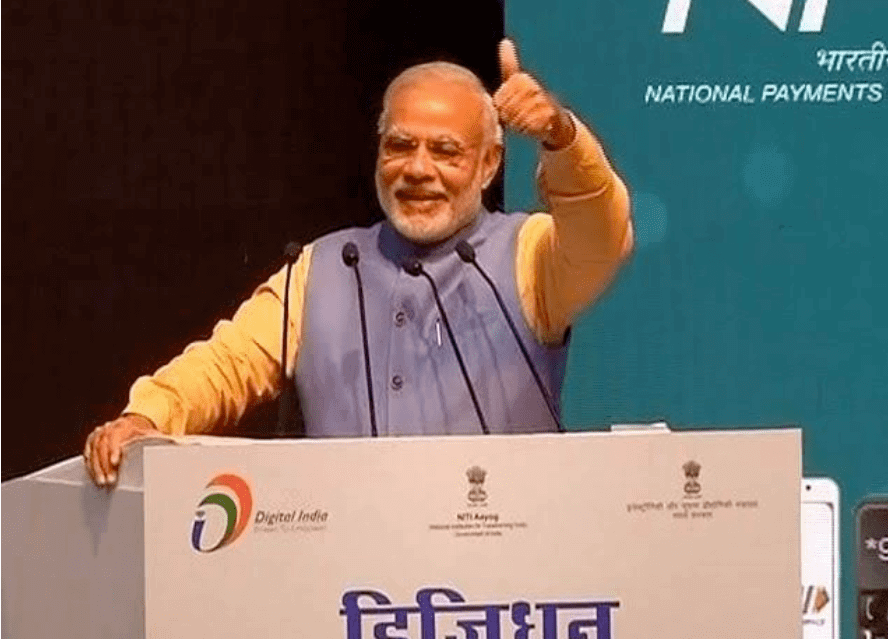
India under Prime Minister Narendra Modi, is committed to developing the global Fintech ecosystem, promoting cross-border remittances via real-time payment systems, and globalizing the UPI payment system. This partnership is not limited to a few countries, as evidenced by NPCIL’s eorts to establish a digital infrastructure in Nepal that enables real-time payments, as well as NPCIL and Euronet’s joint bid to create Myanmar’s proposed retail payments system. Furthermore, in Bhutan, the BHIM app, an Indian mobile payments app based on UPI, and full interoperability of the flagship digital project, RuPay, have strengthened development partnerships and deepened financial linkages between India and Bhutan.
India and the ASEAN countries are working together to improve their partnership by establishing digital payment connections and linking the FinTech ecosystem. This is being achieved through Joint Working Groups (JWG) discussions. One such discussion took place with Singapore, resulting in the linking of India’s UPI and Singapore’s PayNow. Similarly, India’s UPI is set to be integrated with digital payment solutions from Dubai’s NeoPay and the UK’s PayXPert. Japan has also shown interest in studying the platform and linking it in the future. France, the UAE, Saudi Arabia, Bahrain, Maldives, and Oman have already adopted various Indian payment systems. India is now focusing on Middle-East countries, the USA, and African nations like Namibia. Furthermore, India has signed 13 MOUs with countries that wish to adopt UPI for digital payments. The global interest in India’s digital public infrastructure, particularly UPI, continues to grow.
However growth of UPI as a system can’t be looked at in isolation as government’s various policy measures and schemes have played a crucial role in bringing about a revolutionary change in the digital landscape in a relatively
short span of time. By promoting digital literacy with initiatives like the National Digital Literacy Mission (NDLM) and Digital Saksharta Abhiyan (DISHA), and streamlining payments with Aadhaar Enabled Payment System, FASTag, Rupay, and IMPS, the government has been able to simplify the digital experience for many. Moreover, ambitious projects like Project BharatNet and DIGIDHAN Mission have significantly increased internet penetration, promoting a shift to digital transactions and building strong use cases for merchant payments. As a result, the digital infrastructure and its acceptability among the public have seen a meteoric rise over the past decade. The number of adults with bank accounts has risen from 17% to over 80%, and a billion people now have a digital ID document, compared to only 4% previously. Tele density has reached an impressive 93%, and over 6 billion digital payment transactions are now completed each month.
In summary, the anticipated global implementation of UPI is expected to enhance the festival & holiday season by providing more manageable payment options, enabling international transactions, and opening up of more business opportunities.


