
By Amit Bhatia
Date: September 27, 2024
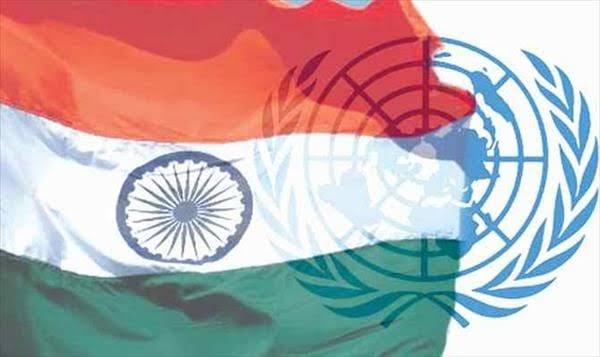
In a world where geopolitical dynamics are rapidly evolving, the call for reform within the United Nations Security Council (UNSC) has once again taken center stage, with India’s bid for a permanent seat gaining substantial traction. Recent discussions on platforms like X and statements from global powers underscore a pivotal moment for international governance structures.
The Case for India
India, the world’s largest democracy and one of its fastest-growing economies, has long argued for a seat at the UNSC’s permanent table. Here’s why the world might need India there:
1. Demographic Representation: India represents about one-sixth of humanity. Its inclusion would make the UNSC more representative of the world’s population, enhancing the council’s legitimacy.
2. Economic Powerhouse: India’s economy is among the top globally in terms of GDP Growth. Its economic policies, market size, and technological advancements contribute significantly to global economic stability and growth.
3. Peacekeeping Contributions: India has been one of the largest contributors to UN peacekeeping forces, showcasing its commitment to global peace and security, a primary mandate of the UNSC.
4. Strategic Neutrality and Diplomacy: India’s policy of non-alignment, now evolving into multi-alignment, positions it as a potential mediator in global conflicts, offering balanced perspectives free from the entrenched biases of traditional power blocs.
5. Counterbalance in Asia: With China’s rising influence, India’s inclusion could provide a strategic balance in a region fraught with tensions, ensuring that Asian geopolitical dynamics are better represented.
Global Support and Opposition
The support for India’s candidature has seen a positive trend. The United States, France, and the UK have explicitly backed India’s bid, recognizing the need for a more inclusive UNSC that reflects contemporary global power structures. However, China remains the notable exception, its opposition rooted in complex geopolitical rivalry with India.
On platforms like X, there’s a noticeable buzz around this topic. There is a noticeable consensus that India’s inclusion would not only be a nod to its rising global stature but also to the principle of equitable representation. Yet, some posts also reflect skepticism about the sincerity of support from countries like the UK and France, questioning if their backing is a strategic move rather than a genuine belief in reform.
Opinion: A Step Towards a More Democratic UN
The argument for India’s permanent membership in the UNSC isn’t just about adding another chair to an elite table; it’s about rethinking how global governance should operate in the 21st century. The current structure, largely a relic of post-World War II geopolitics, fails to capture the multipolar world we live in today. India’s inclusion could be the beginning of a broader reform, potentially leading to more seats for Africa, Latin America, and possibly rethinking the veto power. This reform would not only democratize the UNSC but could revitalize the United Nations’ role in global affairs, making it a more effective body in addressing modern challenges from climate change to cyber warfare.
However, the path to reform is fraught with diplomatic hurdles. The opposition from China, concerns about dilution of power from existing members, and the intricate process of UN Charter amendment present significant challenges. Yet, the growing consensus on the need for change might just be the catalyst required for India, and indeed the world, to see a Security Council that truly reflects today’s global landscape.
As discussions continue, the world watches, hopeful yet cautious, understanding that reform in global institutions is not just about fairness but about functionality in an ever-changing world.


