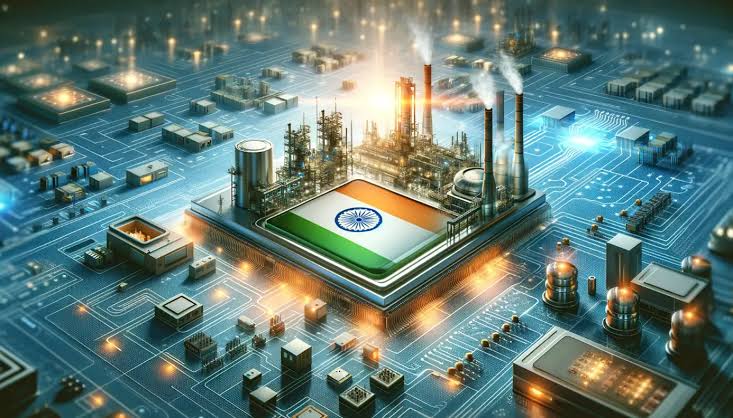
In a significant stride towards positioning itself as the semiconductor capital of India, Maharashtra has witnessed a monumental influx of investments in the semiconductor sector, marking a pivotal moment in the state’s industrial landscape. With investments totaling ₹1,07,947 crore, Maharashtra is not just catching up but leading the race in India’s ambitious plan to carve out a significant slice of the global semiconductor market.
The cornerstone of this surge includes two major projects: the RRP Project at ₹24,000 crore and the Tower Adani Project at ₹83,947 crore. These investments are part of a broader national initiative where India aims to attract around $30 billion in semiconductor investments over the next few years, aiming to capture approximately 6% of global semiconductor investment. Key players like Micron, Vedanta, Tata, and Adani are at the forefront, with many projects already receiving Cabinet approval, underscoring the government’s commitment to this sector.
The state’s success in attracting these investments can be attributed to its proactive policy environment under the NDA government, which has fostered an investment-friendly atmosphere. This approach has not only lured global and domestic giants but also set a benchmark for other states in leveraging policy-driven governance to attract high-tech industries.
The implications of Maharashtra’s lead in semiconductor manufacturing are profound. Firstly, it promises to generate significant employment opportunities, with estimates suggesting that these investments could lead to over 200,000 direct and indirect jobs. This is crucial for a state that has historically been at the forefront of industrial growth but is now pivoting towards high-tech manufacturing.
Moreover, the semiconductor industry’s growth in Maharashtra could catalyze advancements in related sectors like electric vehicles, artificial intelligence, and IoT, given the symbiotic relationship these technologies share with semiconductor technology. This could potentially transform Maharashtra into a hub for cutting-edge technology, not just in manufacturing but in innovation and research as well.
However, the journey isn’t without its challenges. The semiconductor industry requires a robust infrastructure, including power supply, water resources, and skilled labor, which will test Maharashtra’s capabilities. The state’s ability to maintain this momentum will also depend on its continued attractiveness to investors through policy consistency and infrastructure development.
The political landscape has also taken note, with discussions on platforms like X (formerly Twitter) reflecting a mix of optimism and political posturing. There’s a clear sentiment that the state’s political leadership has played a pivotal role in this tech surge, with calls for continued support for the NDA to ensure this growth trajectory continues.
As Maharashtra leads India’s semiconductor surge, it sets the stage for what could be a transformative decade for the state and the country in the global tech arena. The success of these projects will not only be measured in economic terms but also in how they contribute to India’s self-reliance in technology, reducing dependency on foreign semiconductor supply chains, and fostering a new wave of technological innovation. This is more than just an industrial shift; it’s the beginning of a new era where Maharashtra aims to be at the heart of India’s technological renaissance.