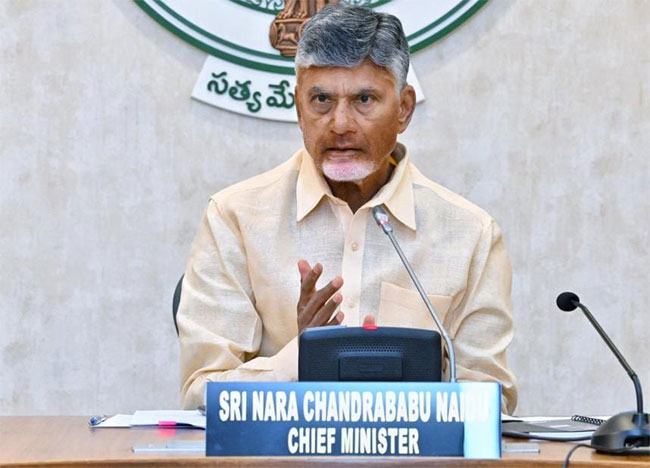
Tirumala, Andhra Pradesh – In a bold and admirable move, Andhra Pradesh Chief Minister N Chandrababu Naidu announced a new policy stating that only Hindus will be employed in state-run temples. This decision was made public on August 29, 2024, alongside an announcement to increase the wages for temple Archakas (priests) to a minimum of ₹15,000 per month.
The Chief Minister’s announcement comes as part of a broader initiative by the NDA government in Andhra Pradesh, led by the Telugu Desam Party (TDP) and its allies, to reform temple administration and preserve Hindu traditions. CM Naidu emphasized that this policy aims to ensure that temple positions are held by members of the Sanatana faith, thereby protecting the sanctity of Hindu religious sites.
Additionally, the government plans to reclaim approximately 87,000 acres of temple land, which it claims has been illegally occupied. This move is seen as part of a larger effort to restore and protect temple properties and assets.
Public reaction on social platforms like X has been largely supportive of the act. Many have hailed the decision as a significant step towards protecting Hindu interests and traditions,
The policy also includes a significant wage hike for Nai Brahmins (barbers and musicians involved in temple rituals), setting their minimum monthly wage at ₹25,000, highlighting the government’s commitment to support those maintaining traditional practices.
This decision follows Naidu’s recent pledges to clean up the administration starting from Tirumala, one of Hinduism’s most revered sites, indicating a strong push towards what his administration describes as ‘cleansing operations’ in religious and administrative practices.
The implications of this policy are yet to unfold fully, but it certainly marks a pivotal moment in the intersection of religion and state policy in Andhra Pradesh, potentially setting a precedent for other states in India. Critics and supporters alike are watching closely to see how this policy will be implemented and whether it will face legal scrutiny or inspire similar policies elsewhere.