
The recent political turmoil in Bangladesh has sent shockwaves across the South Asian region, with the resignation of Prime Minister Sheikh Hasina and her subsequent flight to India. As the crisis unfolds, India finds itself in a precarious position, navigating a complex web of geopolitical, economic, and humanitarian considerations.
The Indian government’s response to the crisis has been characterized by a cautious, measured approach. New Delhi has maintained a studied silence on the developments in Bangladesh, refraining from issuing any official statements or taking any overt actions. This silence, however, should not be mistaken for indifference or inaction.
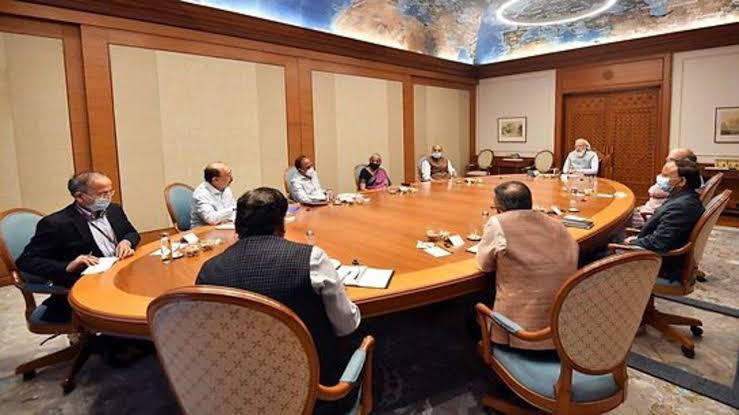
Behind the scenes, Indian officials have been working tirelessly to assess the situation and formulate a response that balances India’s strategic interests with its commitment to democracy and stability in the region. The Indian government has been in close contact with its counterparts in Bangladesh, offering assistance and support to ensure a peaceful resolution to the crisis.
One of the key challenges facing India is the potential for the crisis to spill over into its territory. With thousands of Indian citizens residing in Bangladesh and a porous border between the two countries, India has a vested interest in maintaining stability in its eastern neighbor. The Indian government has taken steps to ensure the safety and security of its citizens in Bangladesh, while also preparing for any potential influx of refugees.
At the same time, India is acutely aware of the implications of the crisis for its own security and regional influence. The Indian government has long viewed Bangladesh as a key ally in its efforts to counter the influence of China in South Asia. The crisis has raised concerns about the potential for a power vacuum in Bangladesh, which could be exploited by China or other regional actors.
In this context, India’s response to the crisis has been guided by a pragmatic approach that prioritizes stability and the preservation of its strategic interests. While New Delhi has refrained from taking sides in the domestic political turmoil in Bangladesh, it has made it clear that it expects the transition to a new government to be peaceful and democratic.
The Indian government has also been in close contact with other regional powers, including the United States and Japan, to coordinate their response to the crisis. This multilateral approach reflects India’s recognition of the need to manage the crisis in a way that minimizes the risk of escalation and promotes a peaceful resolution.
In conclusion, India’s response to the Bangladesh crisis is a delicate balancing act that reflects the complex interplay of geopolitical, economic, and humanitarian considerations. While New Delhi has maintained a studied silence on the developments in Bangladesh, it has been working behind the scenes to ensure a peaceful resolution to the crisis and to protect its strategic interests in the region.


