
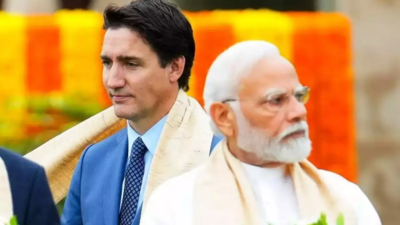
In the realm of international diplomacy, where nations tread carefully to maintain cordial relations, the recent exchange between India and Canada has been nothing short of a diplomatic earthquake. The backbone of this row stems from Canadian Prime Minister Justin Trudeau’s allegations of Indian government involvement in the assassination of Khalistani separatist Hardeep Singh Nijjar on Canadian soil. This claim has not only escalated tensions but has also spotlighted India’s robust response, reflecting a shift in India’s diplomatic assertiveness.
The Incident and India’s Response
The saga began when Trudeau disclosed in the Canadian Parliament what he termed “credible allegations” linking Indian agents to Nijjar’s murder. This accusation was not taken lightly by India. In a move that underscored India’s diplomatic muscle flexing, New Delhi retaliated by expelling a senior Canadian diplomat, citing interference in internal matters. This was followed by a temporary halt on issuing visas to Canadian citizens and a directive for Canada to reduce its diplomatic presence in India, aiming for parity in diplomatic numbers.
India’s Diplomatic Strategy
India’s approach in this standoff has been multi-pronged, combining assertiveness with a call for diplomatic resolution. External Affairs Minister S. Jaishankar’s remarks on there being “room for diplomacy” highlight India’s willingness to engage in dialogue while firmly defending its sovereignty. This stance is rooted in the principle of mutual respect and non-interference, a cornerstone of international relations which India feels Canada breached by hosting and allegedly supporting Khalistani elements. The demand for Canada to reduce its diplomatic corps was not just a tit-for-tat but a strategic move to balance diplomatic presence, ensuring that whatever discomfort India felt from Canadian activities would be reciprocated. This action was not only about numbers but about sending a message that India will not tolerate any activities on foreign soil that undermine its security or sovereignty.
The Broader Implications
This incident serves as a microcosm of larger geopolitical shifts. India, under Prime Minister Narendra Modi, has been recalibrating its foreign policy, moving from a more conciliatory stance to one where national interest is pursued with greater vigor. The row with Canada isn’t just about one incident; it’s about setting a precedent. India’s message is clear: activities against its integrity, whether on its soil or abroad, will meet with strong repercussions.
Public and International Opinion
On platforms like X (formerly Twitter), the Indian stance has found significant resonance among its populace and international observers who argue for the sovereignty of nations. There’s a growing sentiment that countries like Canada should not be havens for movements that seek to destabilize other nations. Meanwhile, posts from official Indian handles highlight continued engagement in global forums, suggesting that while the row with Canada is significant, it does not derail India’s broader foreign policy objectives.
The Path Forward
What does this mean for India-Canada relations? The path seems fraught with challenges but not devoid of hope. Jaishankar’s optimism for diplomatic resolution indicates that while India will stand its ground, it’s not closing doors for dialogue. The “sniff test” he proposed, questioning if Canada would tolerate similar activities against itself, resonates with the basic principles of international law and diplomacy.
Conclusion
India’s harsh rebuke to Canada over the diplomatic row encapsulates more than just a reaction to an accusation; it’s a statement of India’s evolving role on the world stage. This incident might well be remembered not just for the tension it caused but for how it marked India’s new diplomatic assertiveness. While the immediate future of India-Canada relations hangs in a balance of diplomacy and pride, this episode underscores the complexity of modern geopolitics where national interests, diaspora politics, and international law intersect. In navigating this crisis, India has not only defended its position but has also subtly reminded the international community of its growing stature, where its voice in global affairs demands to be heard and respected. The diplomatic row, thus, becomes a lesson in international relations, where the new India is ready to assert its sovereignty, not with aggression but with a firm, principled stand.


